Phone:
(701)814-6992
Physical address:
6296 Donnelly Plaza
Ratkeville, Bahamas.

Phone:
(701)814-6992
Physical address:
6296 Donnelly Plaza
Ratkeville, Bahamas.
This guide focuses on the moments that usually justify hiring a pro, plus a few clear signs that waiting could cost more later.
Yes. If any limb is within reach of electrical lines, they should stop and call professional tree trimmers right away. Power lines can arc, and a branch does not need to touch a wire to create a serious hazard.
In many areas, only qualified utility line-clearance crews are allowed to work that close. A reputable tree service will coordinate with the utility company if needed.
Usually, yes. If the tree is tall, the canopy is wide, or the trimming requires climbing, specialty rigging, or working over roofs and fences, a professional is the safer option.
Size changes the risk. Heavy limbs can swing, split, or drop in unpredictable ways, especially when cuts are made overhead or from a ladder.
Yes, in most cases. Storm-damaged trees often have hidden fractures, hanging limbs, or split trunks that can fail without warning. What looks like a simple broken branch can be under tension and snap during cutting.
A professional can reduce the tree safely, remove hazards in the right order, and advise whether the tree can be saved or should come down.
It is an emergency when a limb is hanging, cracked, or partially attached, or when the tree is leaning more than usual after wind or rain. It is also urgent if branches are blocking a driveway, pressing on a roof, or threatening pedestrians.
In these situations, “waiting for daylight” can be reasonable, but “waiting a few weeks” often is not. The goal is hazard removal first, not cosmetic pruning.
Yes. If they see mushrooms at the base, soft or crumbly wood, large dead sections, sudden thinning, or deep cracks, they should get a professional assessment.
Disease and decay change how a tree responds to cuts. Improper trimming can speed up decline, and weakened trees can drop limbs with less warning. A trained arborist can identify what is actually happening and recommend the least damaging solution.
Yes, especially when branches hang over roofs, windows, sheds, vehicles, or play areas. The risk is not only the cut limb falling, but also what happens if the limb swings, bounces, or tears bark down the trunk.
Professionals use ropes, rigging, and controlled lowering so large pieces can come down without damaging property.
Often, yes. Poor trimming can create long-term problems like weakly attached regrowth, sunscald on suddenly exposed bark, and decay entering through bad cuts.
A professional focuses on pruning cuts that support structure and recovery. That usually means removing the right limb at the right spot, not just shortening everything to “clean it up.”
Yes, if the tree has heavy, overextended limbs, deadwood, or multiple stems with weak unions. Preventive pruning is about reducing risk before a failure happens.
A professional can spot structural issues that are easy to miss from the ground, then thin or reduce weight in a way that keeps the tree balanced.
They can often handle minor pruning if the branches are small, reachable from the ground, and away from utilities. A safe DIY job usually means using hand pruners or a pole pruner, making clean cuts, and keeping the work limited.
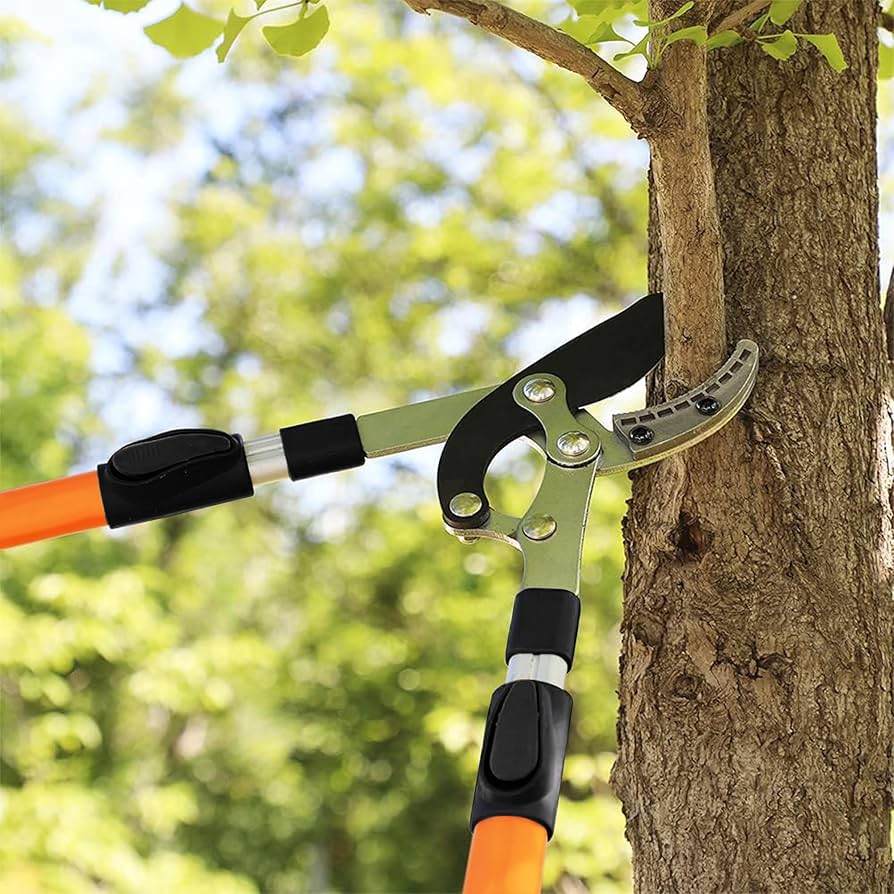
If they need a ladder, a chainsaw overhead, or they feel uncertain about where to cut, that is the line where a professional is the better choice.
They should ask if the company has proper insurance, what pruning standard they follow, and whether a certified arborist will be involved. They should also ask what the scope includes, how cleanup works, and whether they will provide a written estimate.
It is also fair to ask how they will protect nearby structures and how they will handle large limbs. Clear answers usually signal a crew that plans the job, not improvises it.
A good visit starts with an evaluation, not a quote based only on height and price. They should expect the pro to explain which limbs are being removed, why, and what the result will look like.
The work typically includes safe access, controlled cutting, debris removal, and a final walk-through. If they recommend “topping” as the default approach, they should consider getting another opinion.
They should trim before branches become heavy over targets like roofs and walkways, and before deadwood builds up. Light, periodic pruning is usually cheaper and safer than waiting for major reductions.
If they are unsure, a simple rule helps: when the tree’s growth is starting to create risk, not just shade, it is time to call a professional and make a plan.
You should call a professional when branches are near power lines, the tree is large or hard to access, after storm damage, or if there are signs of disease or decay. Also, if the tree is close to houses or structures, or if trimming involves risky cuts overhead or from ladders, hiring a pro is the safer choice.
No. If any limb is within reach of electrical lines, you should stop immediately and call a professional. Power lines can arc without direct contact, creating serious hazards. Only qualified utility line-clearance crews or reputable tree services working with utility companies should handle this.
Emergency trimming is necessary when limbs are hanging, cracked, partially attached, or if the tree leans more than usual after wind or rain. Also urgent are branches blocking driveways, pressing on roofs, or threatening pedestrians. Immediate hazard removal is critical in these cases.
Storm-damaged trees often have hidden fractures, hanging limbs, or split trunks that can fail unexpectedly. Professionals can safely reduce the tree, remove hazards in proper order, and advise whether the tree can be saved or should be removed to prevent further risk.
Professionals use ropes, rigging systems, and controlled lowering techniques to bring down large limbs safely without damaging roofs, windows, vehicles, or play areas. This careful approach minimizes risks associated with swinging limbs or bark tearing during cuts.
Ask if the company has proper insurance and certifications like a certified arborist involvement. Inquire about pruning standards they follow, scope of work including cleanup procedures, written estimates provided, and how they plan to protect nearby structures and handle large limbs. Clear answers indicate experienced and prepared crews.