Phone:
(701)814-6992
Physical address:
6296 Donnelly Plaza
Ratkeville, Bahamas.

Phone:
(701)814-6992
Physical address:
6296 Donnelly Plaza
Ratkeville, Bahamas.
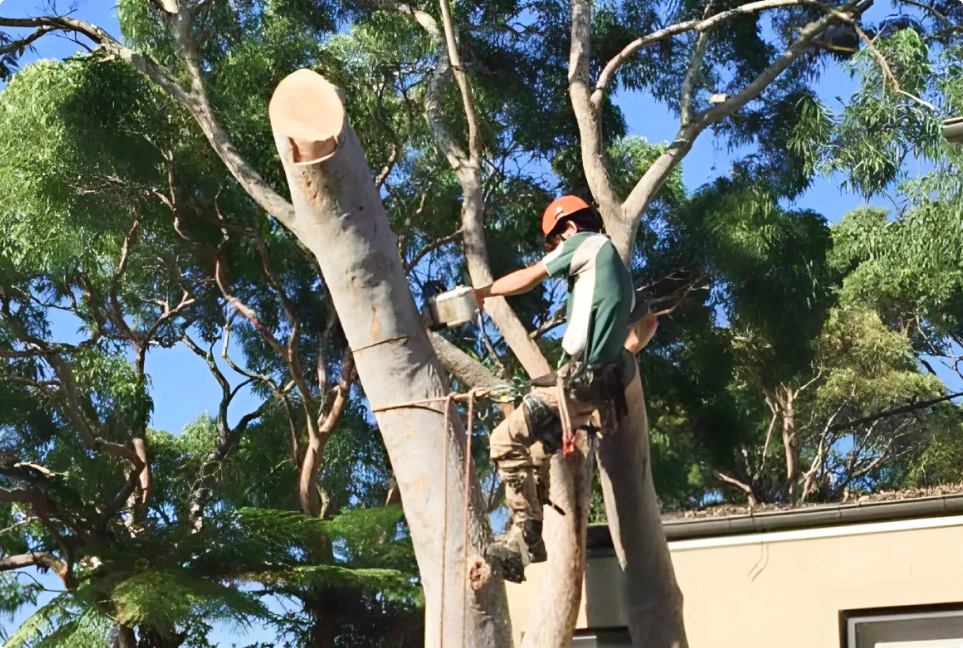
It stops being DIY when safety, property damage, or long-term tree health is on the line. If the work involves height, heavy limbs, powerlines, or structural issues, a qualified specialist is the safer choice.
Even small mistakes can create bigger problems later. That’s why professional arborist services sydney are important—poor cuts can trigger decay, unstable regrowth, and costly removals in a few years.
A tree may be hazardous when it shows clear structural weakness. Common red flags include major dead limbs, cracks in the trunk, sudden leaning, lifting soil around the base, or visible decay and hollowing.
After storms, they often need urgent assessment even if they are still standing. Damage can be internal, and a tree can fail days later when winds return.
An arborist is often needed after strong wind, heavy rain, or lightning, especially if branches have split or the canopy looks uneven. Sydney’s storms can create hidden fractures where limbs later drop without warning.
If a tree or branch is hanging, partially attached, or resting on another tree, it is a high-risk situation. A specialist can remove it safely and check whether the remaining tree is stable.
They assess canopy health, trunk integrity, root stability, and the tree’s species-specific failure patterns. They also consider location, targets below, and likelihood of recovery with pruning or treatment.
Removal is usually recommended when there is extensive decay, root plate failure risk, or repeated limb drop with poor structure. When a tree is valuable, they may propose staged pruning, bracing, or monitoring instead.
Pruning needs a specialist when it affects structure, clearance, or the tree’s long-term health. Crown reductions, weight reductions, deadwood removal at height, and corrective pruning for poor form are specialist tasks.
Gardener-style “lopping” often creates fast, weak regrowth and increases decay. An arborist aims for correct cuts, balanced structure, and risk reduction without stressing the tree.
Lopping typically removes large limbs without regard for proper pruning points. That can cause sunburn on exposed wood, invite pests and fungi, and produce dense shoots that snap in future winds.
The result is often repeat work every year or two. In many cases, what looked cheaper becomes a cycle of escalating risk and cost.
Roots matter when there are lifting pavers, cracked retaining walls, blocked drains, or signs the tree is destabilising the soil. They also matter when construction is planned near the tree.
Cutting roots incorrectly can make a tree unsafe. An arborist can advise on root pruning limits, barriers, and whether the tree can safely coexist with planned works.
They often do if construction will occur within a tree’s root zone. Excavation, trenching, and soil compaction can reduce stability and trigger decline months later.
A qualified specialist can provide tree protection plans, pruning to clear machinery access, and guidance to reduce damage. This is especially important where council conditions apply.
Council rules can apply to pruning and removal, particularly for larger trees or certain species. A specialist helps interpret requirements, document tree condition, and prepare reports that support an application.
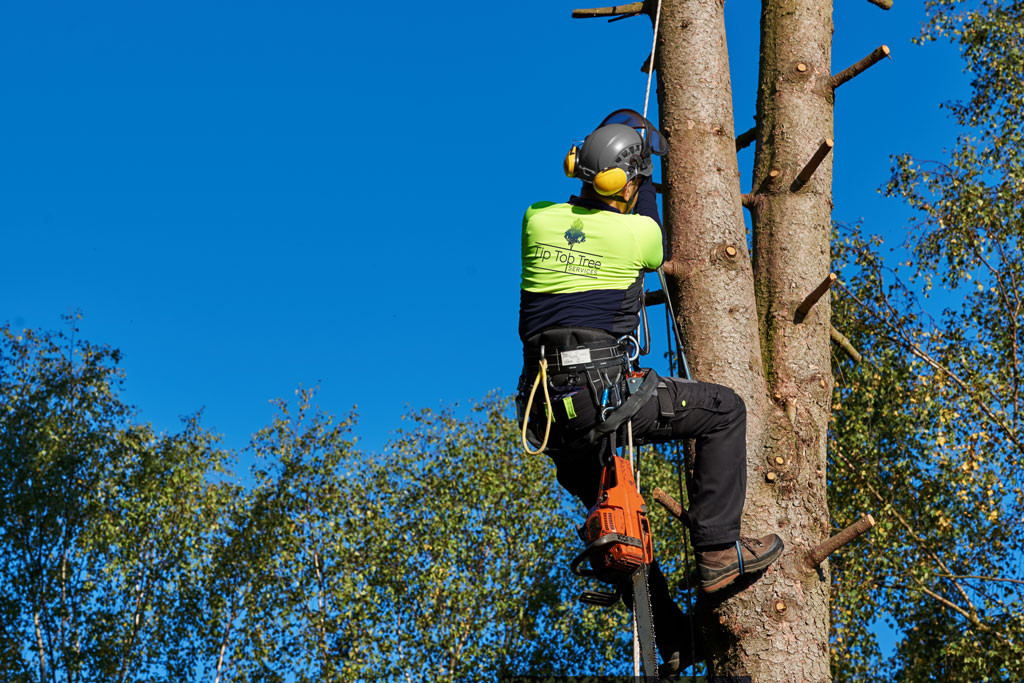
Rules vary by council area, and penalties can be significant. When the tree is near boundaries, heritage areas, or environmentally sensitive land, specialist input becomes even more important.
If branches overhang a fence line, it can become a dispute about safety, access, and responsibility. An arborist can provide an objective assessment of risk and recommend pruning that reduces conflict.
They can also advise on timing and method so the tree remains stable. This is useful when the goal is to solve a problem without triggering unnecessary removal.
They should call when leaf drop is sudden, canopy thinning is spreading, or there is fungal growth on the trunk or roots. In Sydney, stress from drought, heat, and soil changes can make decline look like “normal shedding” until it is severe.
A specialist can identify likely causes and propose treatments or pruning. Early intervention can often prevent full failure or costly removal.
They usually provide a risk-focused inspection, clear recommendations, and a plan for pruning, removal, or monitoring. For complex cases, they may produce a written report for council, insurance, or strata records.
They also factor in access, rigging needs, and nearby assets like roofs, cars, and powerlines. That planning is what keeps jobs controlled rather than reactive.
They should look for relevant qualifications, insurance, and a track record with similar sites, such as tight access terraces or strata complexes. Clear written quotes, a defined scope, and an emphasis on proper pruning are good signs.
They should also ask how waste is handled and whether stump grinding is included if removal is needed. A professional service will explain options without pushing unnecessary work.
They should book before storm season if the tree has known defects, heavy deadwood, or poor structure. Preventive pruning and inspections are usually cheaper than emergency work after damage occurs.
If branches are already dropping, the canopy is shifting, or the tree is affecting structures, waiting increases risk. Early action protects people, property, and the tree itself.
Managing a tree problem stops being a DIY job when safety risks, potential property damage, or the long-term health of the tree are involved. Tasks that include working at height, handling heavy limbs, dealing with powerlines, or addressing structural issues require a qualified arborist to ensure safety and proper care.
A tree may be unsafe if it shows structural weaknesses such as major dead limbs, cracks in the trunk, sudden leaning, lifting soil around its base, or visible decay and hollowing. After storms, even if standing, trees may have internal damage that can cause failure later, necessitating urgent assessment by an arborist.
Professional pruning performed by a qualified arborist focuses on correct cuts that maintain balanced structure and reduce risk without stressing the tree. In contrast, gardener-style lopping often causes fast but weak regrowth and increases decay risk, leading to poor tree health and potentially costly future removals.
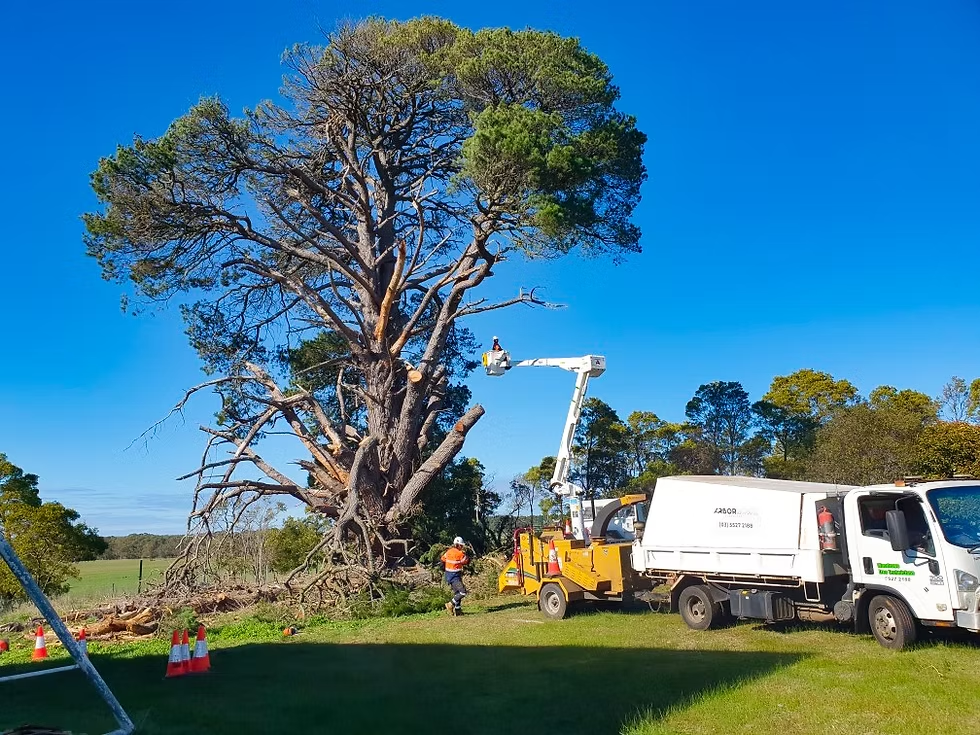
Arborists assess canopy health, trunk integrity, root stability, species-specific failure patterns, and consider location and targets below the tree. Removal is recommended when there is extensive decay, risk of root plate failure, or repeated limb drops with poor structure. For valuable trees, staged pruning or bracing may be proposed instead.
Council regulations often apply to pruning and removal of larger trees or certain species. A qualified arborist helps interpret these requirements, document tree conditions accurately, and prepare reports supporting applications. This is especially crucial near boundaries, heritage areas, or environmentally sensitive land to avoid penalties.
Hiring an arborist ensures protection of trees during construction activities like excavation or trenching within root zones. They provide tree protection plans, advise on pruning for machinery access, and help reduce soil compaction damage. This guidance helps maintain tree stability and complies with council conditions to prevent long-term decline.
See Also: Tree trimmers: when should you call a professional?